
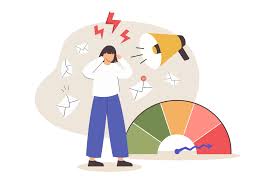
Stress is a natural part of life, but managing it effectively is essential for maintaining mental well-being. While it is not always possible to eliminate stress entirely, there are practical strategies that can help individuals respond to it in a healthier way.
One widely recommended approach is mindfulness. This involves paying attention to the present moment without judgment. Simple practices such as deep breathing, short meditation sessions, or mindful walking can help reduce tension and improve focus. Even a few minutes a day can make a noticeable difference over time.
Another helpful strategy is maintaining a consistent daily routine. Regular sleep patterns, balanced meals, and scheduled breaks contribute to emotional stability. When the body is well-rested and nourished, it is better equipped to handle stress.
Physical activity is also closely linked to mental well-being. Activities like walking, stretching, or light exercise can help release built-up tension and improve mood. These activities do not need to be intense; consistency is more important than intensity.
Social connections should not be overlooked. Talking with friends, family, or colleagues can provide emotional support and different perspectives on challenges. Feeling connected to others often reduces feelings of isolation and stress.
Limiting exposure to overwhelming information is another useful step. Constant news updates or excessive screen time can contribute to anxiety. Setting boundaries around media consumption can help create a calmer mental environment.
If stress becomes difficult to manage, seeking support from qualified professionals is a responsible and constructive option. Reliable guidance can help individuals develop personalized strategies suited to their needs.